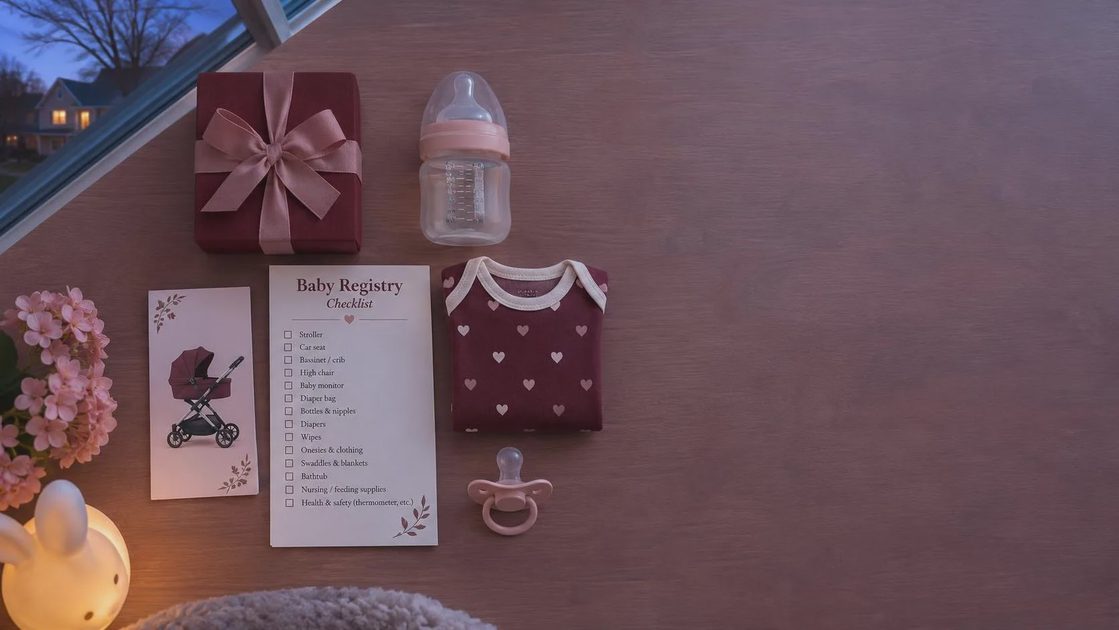
A baby registry list does not have to cover every possible parenting scenario. Start with a safe place for baby to sleep, a way to feed them, diapers, a few clothes, and a car seat if they will ride in a car. The rest can grow with your family. You do not need a perfect system. You need one that works at 3 a.m.
For a place to build your registry, Amazon suits families who want a broad selection, Target is useful if guests prefer an option with physical stores, and Babylist lets you add items from different retailers. Compare return policies and any registry benefits before choosing; the details can change. One main registry is usually easier for guests to navigate.
Start with a safe sleep space
Your baby registry list should include a crib, bassinet, or play yard that meets current federal safety standards, along with a firm, flat mattress or pad made for that specific product. Add two or three fitted sheets so a middle-of-the-night leak does not require immediate laundry. A waterproof mattress cover can help if it is designed to fit that sleep surface.
Place baby on their back for every sleep, with no pillows, loose blankets, bumpers, stuffed animals, or positioners in the sleep space. A wearable blanket can provide warmth without a loose blanket; choose one that fits and is appropriate for the room. Swaddles are optional, and you should stop swaddling when baby shows signs of trying to roll.
A bassinet beside your bed may be convenient, but it is not a separate requirement if another safe sleep space works in your room. Babies outgrow bassinets, so check the manufacturer's weight and developmental limits.

Feeding supplies worth adding
How you plan to feed may change, so build in some flexibility. For nursing or chestfeeding, consider nursing pads, a few comfortable feeding bras, and a supportive pillow if you like one. A pump may be useful if you plan to express milk; check your health insurance coverage before asking someone to buy it. A lactation professional's contact information can be more useful than another gadget.
For bottle-feeding, start with a small number of bottles and nipples rather than a full matching collection. Some babies have preferences, and bottles take up surprising amounts of cabinet space. Add a bottle brush and a drying area. If you plan to use formula, a small supply is a sensible start; ask your baby's clinician if you have questions about which type is appropriate.
Burp cloths are useful regardless of feeding method. Six to ten is a reasonable starting point, with more if laundry happens less often. A bottle warmer or sterilizer can be convenient, but neither needs to take priority over the basics. Follow instructions for cleaning and sanitizing feeding equipment, especially for a young infant.
Diapering and everyday clothes
For the diaper section of your baby registry list, add one small package of newborn diapers and a larger package in the next size, plus unscented wipes. Babies grow at different rates, so avoid opening a huge stockpile until you know what fits. If you prefer cloth diapers, register for a small starter supply and learn the washing routine before committing to a full stash.
A changing pad with a washable cover, or a wipeable surface, can make cleanup easier. You do not need a dedicated changing table if you have a safe, stable place to change baby. Keep one hand on your baby whenever they are on a raised surface, and never leave them there unattended.
For clothes, begin with roughly six to eight sleepers or bodysuits, a few pairs of socks if needed, and a layer appropriate for your weather. Choose a mix of newborn and 0–3 month sizes rather than betting everything on one size. Two-way zippers can make diaper changes easier, but snaps work too. Washable, comfortable clothes matter more than a collection of special outfits.
Getting out the door and keeping baby clean
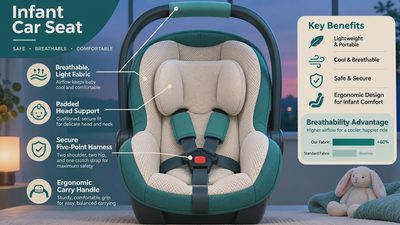
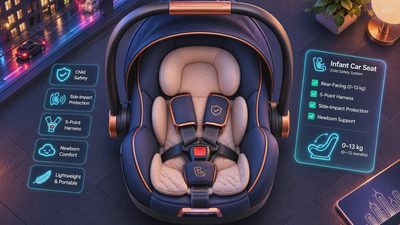
If baby will travel by car, put a rear-facing car seat on your baby registry list and leave time to learn its installation before birth. Choose a seat that fits your vehicle and follow both the car seat and vehicle manuals. A certified child passenger safety technician can help you check the installation. A stroller or baby carrier can be helpful, but neither is essential on day one; think about your space, routes, and who will use it.
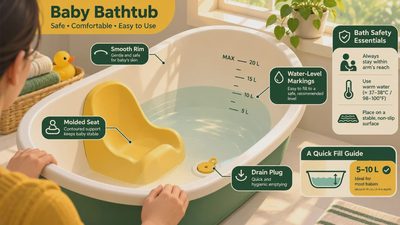
A small baby bathtub or suitable bathing support, a few soft washcloths, mild baby wash, and one or two towels are plenty for bath time. A digital thermometer and a nasal aspirator are practical to have at home. Ask your pediatrician how to use them and when to call about a fever, particularly with a young infant. Skip stocking medicines unless your clinician has advised you on what to have and how to use them.
What to skip, borrow, or buy later
Your baby registry list does not need a wipe warmer, special laundry detergent, or a nursery full of containers that hold a baby. A simple floor blanket for supervised awake time can be useful, while an activity gym can wait until you see what you have room for. Avoid inclined sleepers and sleep positioners; they are not substitutes for a flat, safe sleep space.
Borrowed clothing and a sturdy secondhand dresser can save money. Be more cautious with sleep products and car seats: check recalls, condition, instructions, and whether all original parts are present. For a used car seat, you also need to know its complete history, including whether it has been in a crash, and check its expiration date. If you cannot verify those details, choose another seat.
Make the registry easier for everyone
Before sharing, look for gaps at different price points. Sheets, wipes, and burp cloths give guests inexpensive choices, while a group gift can make a larger item more manageable. Gift cards for diapers, groceries, or takeout are practical, too.
Finally, mark the items you need before baby arrives and leave the rest for later. Your baby registry list is a starting point, not a test of whether you are ready to be a parent. Start with the part that makes tonight easier.


No notes yet — write the first one.