If you are wondering, “can you smoke while pregnant,” the safest answer is no: there is no known safe amount of cigarette smoking during pregnancy. Quitting at any point helps you and your baby. And if you have already smoked, take a breath. You have not ruined everything, and your next step matters more than a spiral of guilt.
Why stopping matters during pregnancy
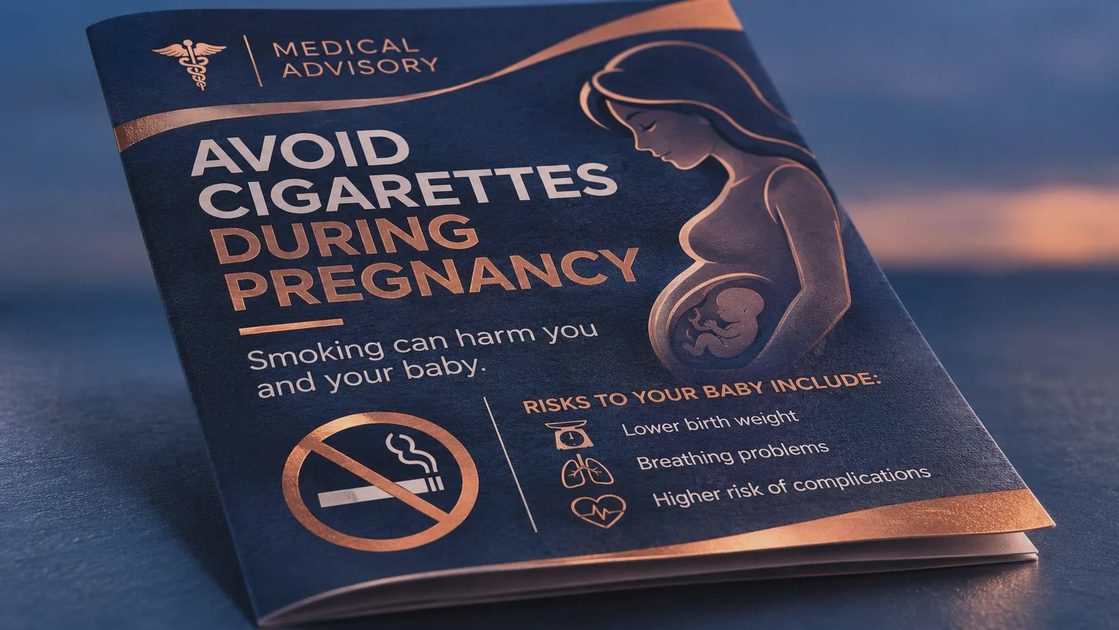
Cigarette smoke contains nicotine, carbon monoxide, and other harmful chemicals. Nicotine narrows blood vessels, and carbon monoxide reduces the oxygen carried in your blood. That means smoking can reduce the oxygen and nutrients available to your developing baby.
Smoking during pregnancy increases the risk of complications including problems with the placenta, premature birth, low birth weight, and stillbirth. It also increases a baby's risk of sudden infant death syndrome, or SIDS. These are risks, not predictions about what will happen to any individual pregnancy.
There is no point in pregnancy when smoking becomes safe. But stopping is worthwhile even if you are well into your pregnancy. Your prenatal care team can help you make a plan that meets you where you are, whether you smoke occasionally or depend on cigarettes to get through the day.
Can you smoke while pregnant if you only have one or two?
There is no established safe number of cigarettes during pregnancy. Cutting down can be a step toward quitting completely, but switching to just a few cigarettes a day is not the same as eliminating exposure. The goal is to stop smoking, with support rather than shame along the way.
If you smoked before you knew you were pregnant, tell your prenatal clinician honestly, including approximately how much you smoked and whether you are still smoking. That information helps them support you; it does not mean something is necessarily wrong. Keep your scheduled prenatal visits, and ask any questions that are keeping you up at night.
If you have a cigarette after trying to quit, treat it as a slip, not a reason to give up. Put out the cigarette, notice what led to it, and return to your plan. You can ask for more help even if this is not your first attempt.

A quit plan that fits a real day
Start with one conversation. Call your obstetrician, midwife, or primary care clinician and say, “I'm pregnant and I want help stopping smoking.” If saying it out loud feels hard, send a message through the patient portal. You do not have to have a polished plan before you ask.
Then look at when cigarettes show up in your routine. Is it with your morning coffee, after a meal, during a stressful phone call, or when you finally get a break? Pick one alternative for those moments: change where you drink your coffee, take a short walk, chew gum, or text someone who knows you are quitting. A craving can feel urgent without requiring you to act on it.
Make the environment work a little harder for you. Remove cigarettes, lighters, and ashtrays from your home and car when you are ready to quit. Ask anyone who smokes not to offer you a cigarette or smoke around you. If another adult in the house smokes, asking them to quit with you can help, but their readiness does not have to determine yours.
For free, confidential support in the United States, call 1-800-QUIT-NOW. A quitline counselor can help you prepare for cravings and talk through setbacks. Your prenatal clinic may also know about local pregnancy-specific support or insurance-covered counseling.
What about nicotine patches, vaping, or marijuana?
Nicotine replacement products, such as patches and gum, may be considered during pregnancy when someone cannot quit without medication. They are not risk-free, but continuing to smoke also carries substantial risks. Talk with your prenatal clinician about whether nicotine replacement or another medication is appropriate for you; do not assume you need to handle withdrawal alone. If you are already using a quit medication, contact your clinician for guidance rather than making a medication decision based on fear.
Vaping is not considered safe during pregnancy. Many e-cigarettes contain nicotine, and their aerosol can contain other potentially harmful substances. A nicotine-free label does not establish that a vaping product is safe for a developing baby. If you are vaping to avoid cigarettes, tell your clinician so you can make a supported plan to stop rather than simply switching back.
Marijuana is not recommended during pregnancy, whether smoked, vaped, eaten, or used in another form. THC can pass to the baby, and smoking marijuana also exposes you to harmful smoke. If you are using it for nausea, sleep, anxiety, or another concern, tell your prenatal clinician what is going on. They can discuss alternatives and help address the reason you reached for it in the first place.
Protecting yourself from secondhand smoke
Secondhand smoke matters, too. Make your home and car smoke-free, including when you are not in the room or the car is parked. Opening a window or smoking in another room does not reliably keep smoke away from you. Ask visitors and household members to smoke outside, away from doors and windows.
This can be an uncomfortable conversation, especially when someone else pays the rent or smoking is part of the household routine. Try a short, specific request: “My prenatal team wants me away from smoke. Can we make the car smoke-free?” If you do not feel safe making that request, tell your clinician privately and ask for help thinking through your options.
When to call your prenatal team
You do not need to wait for your next appointment to ask for quitting support. Call or message now if cravings feel unmanageable, you are worried about withdrawal, or you are unsure about a nicotine product or medication. Mention any anxiety, depression, or substance use that makes stopping harder; those deserve care, too.
Seek urgent medical advice for concerning pregnancy symptoms such as vaginal bleeding, severe abdominal pain, or, once you are regularly feeling movement, a noticeable decrease in your baby's movement. Those symptoms need attention regardless of whether you smoke.
Start with the part that makes today easier: one call, one message, or one cigarette you decide not to have while you arrange support. You do not need a perfect system. You need a next step that you can take.


No notes yet — write the first one.