
If you searched for depleted mom syndrome while sitting in the bathroom, hiding in the pantry, or staring at a sink full of bottles, you are not being dramatic. You may be running on too little sleep, too many decisions, and almost no uninterrupted time. The phrase is not a formal medical diagnosis, but it describes a real experience: feeling emotionally, mentally, and physically used up by the constant work of caring for everyone else.
What depleted mom syndrome can feel like
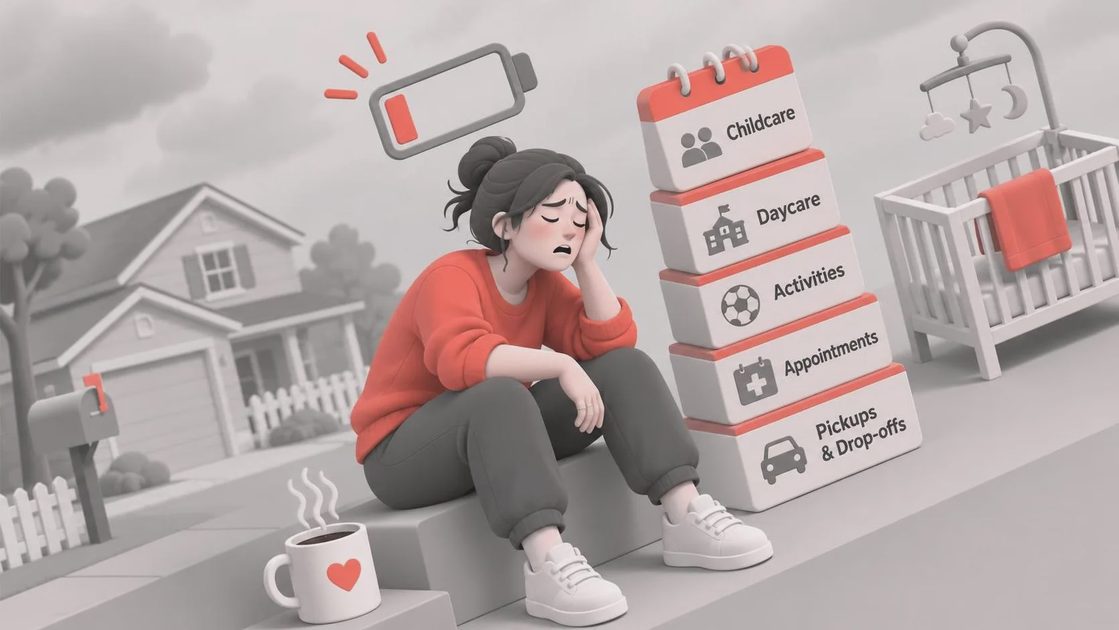
Depleted mom syndrome often looks less like one big breakdown and more like a long string of small signs. You wake up tired even after a decent night. A simple question such as “What is for dinner?” feels impossible because your brain has already managed diapers, daycare timing, feeding, laundry, messages, and someone’s missing shoe. You might feel irritable over tiny things, numb during moments you expected to enjoy, or resentful when another person asks for one more favor.
Some mothers describe losing interest in hobbies, conversation, intimacy, or basic self-care. Others feel constantly “on,” as if they cannot relax because the next cry, mess, or request is always waiting. Depleted mom syndrome can also show up as decision fatigue. Choosing between two brands of toddler snacks becomes strangely exhausting when you have made hundreds of choices before breakfast.
These feelings do not mean you are a bad mother or that you do not love your children. They usually mean your responsibilities have exceeded your available recovery time. Love does not replace sleep, food, adult support, or a quiet half hour.
Start with the part that makes today easier
When you are depleted, a complete lifestyle overhaul is the wrong assignment. Start with one pressure point. If mornings are chaotic, put diapers, clothes, and breakfast items in one place tonight. If dinner is the daily crisis, choose three emergency meals: frozen pizza with fruit, scrambled eggs and toast, or rotisserie chicken with bagged salad. This is not lazy parenting. It is a household system designed for a tired person.
Try the 10-minute reset. Set a timer and do only the task that will make the next hour easier. Clear the high chair, fill water bottles, start the dishwasher, or pack the diaper bag. Stop when the timer ends. Depleted mom syndrome gets worse when every small action turns into an endless cleaning project.
Lower the standard on purpose. Paper plates, grocery pickup, repeat outfits, screen time while you shower, and store-bought snacks can all be reasonable tools. Your children need a regulated-enough parent more than they need a picture-perfect home.
Make support specific instead of general
“Let me know if you need anything” sounds kind, but it puts another decision on the exhausted person. Ask for a concrete exchange. A partner can handle bath and bedtime on Tuesday and Thursday. A relative can bring dinner at 5:30. A friend can take the baby for a stroller walk while you sleep, shower, or sit in a parked car with coffee.
If you have a partner, describe the invisible work as well as the visible work. The issue may not be only washing bottles; it may be remembering which bottles need washing, noticing that diapers are low, and planning tomorrow’s childcare bag. Divide ownership of tasks, not just individual chores. One person handles the entire bedtime sequence while the other gets a real break.
If paid help is possible, even two hours every other week can matter. A cleaner, mother’s helper, postpartum doula, or babysitter does not need to take over the whole household to be useful. Depleted mom syndrome often improves when recovery becomes scheduled rather than something you hope will happen.
Check your body before blaming your character
Sleep disruption is an obvious contributor, but it is not the only one. Skipping meals, dehydration, physical recovery after birth, pain, low iron, thyroid problems, and medication changes can affect mood and energy. If exhaustion feels intense, persistent, or out of proportion to your circumstances, schedule an appointment with your primary care clinician or obstetric provider.
Bring plain details: how many hours you sleep, whether you are eating regularly, how often you feel tearful or angry, and whether you have lost interest in normal activities. You do not need to prove that you are struggling enough. A short note in your phone can help you explain what has changed.
There is also a difference between ordinary depletion and a mental health concern that needs prompt attention. Persistent sadness, panic, frightening intrusive thoughts, hopelessness, or feeling disconnected from your baby deserve professional support. If you think you might hurt yourself or someone else, call or text 988 in the United States, contact emergency services, or go to the nearest emergency department. Asking for help is an act of protection, not failure.
A small weekly plan for depleted mom syndrome
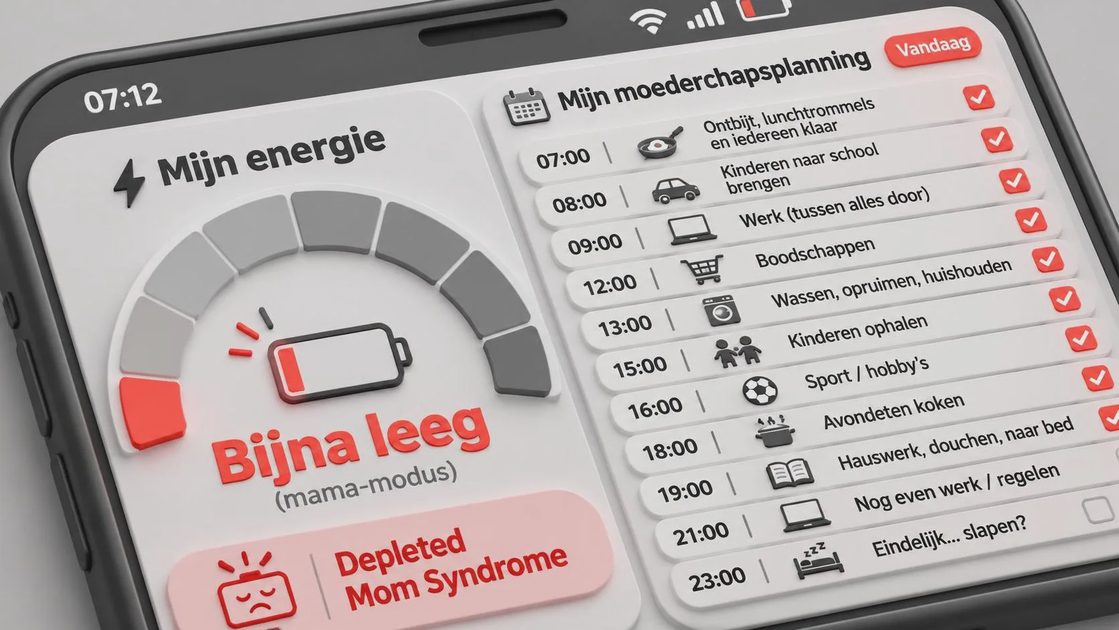
Choose one recovery action, one household action, and one connection action for the next seven days. Your recovery action might be a protected nap, a shower without a child in the room, or twenty minutes outside. Your household action could be ordering groceries, setting up a laundry basket on each floor, or creating a snack drawer. Your connection action might be texting a trusted friend, attending a parent group, or telling your partner honestly, “I am not coping well and I need a plan.”
Keep the plan visible and make it measurable. “Get more help” is too vague. “Ask Grandma to come Saturday from 10 to noon” gives everyone a next step. If the plan fails because the baby naps badly or the toddler gets sick, revise it instead of treating the week as ruined.
You can also use a simple traffic-light check-in. Green means you are tired but functioning. Yellow means you are snapping often, skipping basic care, or feeling unable to recover. Red means you feel unsafe, hopeless, or unable to care for yourself or your children. Yellow is the time to add support; you do not have to wait for red.
What recovery really looks like
Recovery from depleted mom syndrome is usually uneven. One good night will not erase months of strain, and one difficult afternoon does not mean your plan failed. Look for small changes: you notice hunger sooner, answer a child without clenching your jaw, accept help without explaining yourself, or finish one task before starting five more.
You do not need a perfect system. You need one that works at 3 a.m. That may mean a freezer meal, a closed laundry room door, a written list for your partner, or a counselor who understands postpartum stress. Start with the part that makes tonight easier, then tell one safe person what is really going on. Depleted mom syndrome is not a personal defect. It is a signal that the load, the recovery, or both need to change.





No notes yet — write the first one.