
If you feel overwhelmed and overstimulated, start by making the next few minutes quieter and safer, not by trying to fix the whole day. Put your baby in a safe sleep space or make sure your toddler is in a safe spot, step back briefly, and turn off one source of noise. Take a breath, drink some water, and choose the next necessary thing. Feeling this way does not mean you are a bad mom. It may mean you have had too much coming at you without enough room to recover.
Why everything suddenly feels like too much
Overwhelm is the feeling that the demands in front of you exceed what you can manage right now. Overstimulation is what can happen when sensory input, such as noise, touch, bright light, or constant movement, feels like more than you can comfortably process. They often show up together, but they are not quite the same thing.
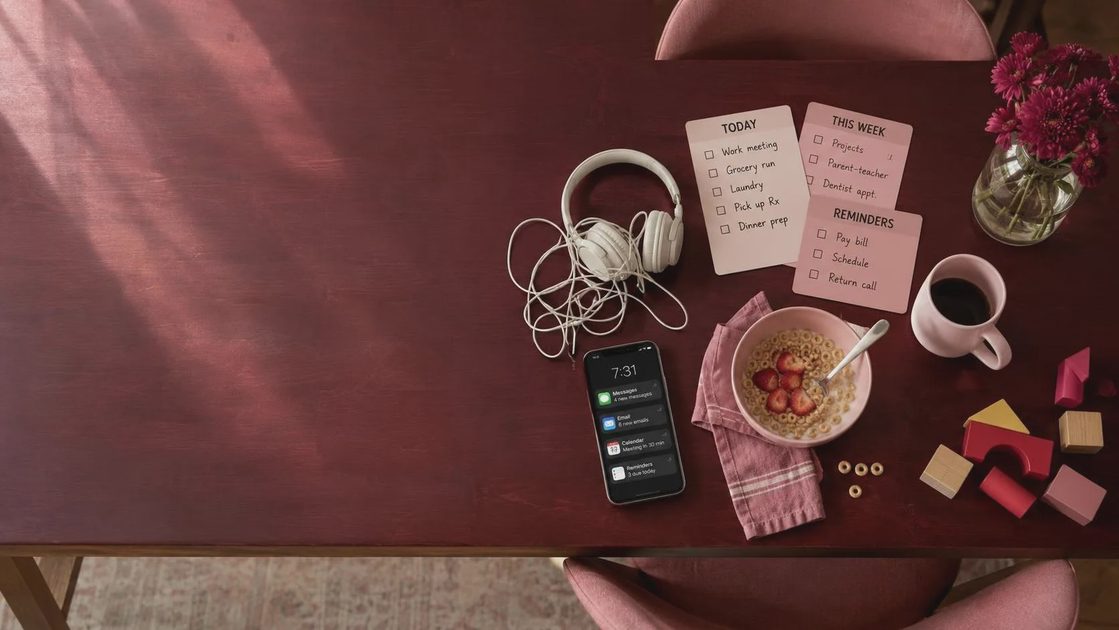
You might feel overwhelmed and overstimulated when a baby is crying, a toddler is pulling at your shirt, and someone asks what is for dinner. Your shoulders tighten. A normal question sounds unbearable. You want everyone to stop touching you, or you find yourself snapping faster than you expected.
Sleep disruption, hunger, pain, and a lack of breaks can make those moments harder to handle. So can carrying the mental list of appointments, laundry, feeding, and what comes next. None of that makes you weak, and you do not need a diagnosis to deserve a break.
What to do when you need a reset now
First, lower the immediate demands. Turn off the television, silence a nonessential notification, or move away from the noisy kitchen. If your child is safe, it is okay to let them fuss for a few minutes while you collect yourself. A baby can be placed on their back in an empty crib, bassinet, or play yard that meets safety standards. Never shake a baby.
Next, give your body a simple cue that the moment is changing. Unclench your jaw, put both feet on the floor, and take a few slow breaths. You do not have to feel peaceful for this to help you pause before responding. If breathing exercises make you more uncomfortable, skip them and try cool water on your hands instead.
Then pick one need: a diaper, a feeding, a snack, or a safe place to rest. The dishes can wait. If your toddler needs you while you are feeding the baby, try a short sentence: “I hear you. I am feeding the baby, and then I can help.” They may still protest. The point is not to make everyone instantly happy; it is to give yourself a manageable next step.
If another adult is available, be specific: “Please take the kids for 20 minutes while I sit somewhere quiet.” A clear handoff is easier to act on than “I need more help,” especially when you are already overwhelmed and overstimulated.
Make the hardest part of the day less crowded
Look for the time when things usually tip over. Maybe it is the hour before dinner, when everyone is hungry and the house is loud. Instead of rebuilding your entire routine, change one condition around that hour.
Put a simple snack within reach before the cranky stretch begins. Choose a low-effort dinner you can assemble without much chopping. Move a small basket of toddler activities near the place you usually feed the baby. If screens are a tool your family uses, a short show while you get food ready can be a practical choice, not a parenting failure.
For touch overload, experiment with a little physical space when it is safe and possible. Sit beside your toddler with a book instead of holding them in your lap, or ask another adult to take the next baby-holding shift. You can be loving and still need your body back for a few minutes.
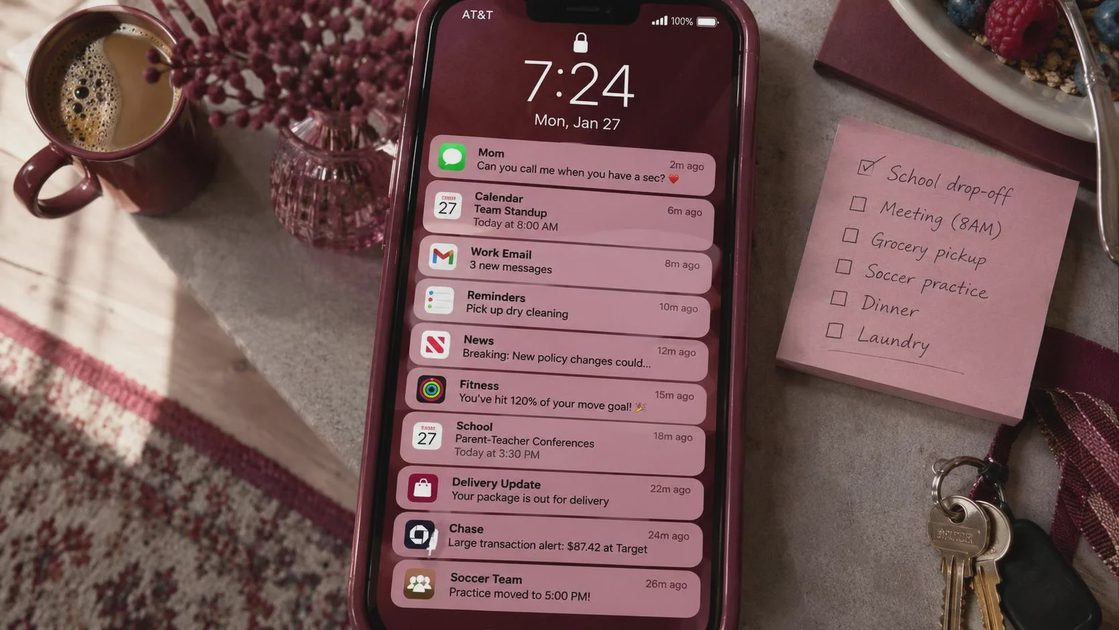
Sound matters, too. Turn off background audio before adding a new source of noise. If you use earplugs or headphones to soften sound, make sure you can still hear and respond to your children, and avoid using anything that prevents you from supervising them safely. A quieter room will not erase every demand, but it can make the remaining ones easier to handle.
Ask for support before you are running on empty
When you are repeatedly overwhelmed and overstimulated, a reset can help in the moment, but it cannot replace regular relief. Look at who can take a real piece of the workload rather than simply waiting to be asked. That might mean another adult handles bedtime, a relative brings a meal, or a trusted neighbor takes your toddler to the park while you rest.
If money, schedules, or distance make help hard to find, start smaller. Ask someone to sit with you during a difficult evening, call while you fold laundry, or pick up groceries they were already buying. You deserve support even if you cannot arrange a full afternoon off.
It also helps to make a short plan for the next hard moment. Decide where you can safely put the baby, what your toddler can do nearby, and whom you can text. Write it in your phone if thinking clearly is difficult when everyone is upset. You do not need a perfect system. You need one that works at 3 a.m.
When to reach out for professional help
Feeling overwhelmed and overstimulated sometimes is different from feeling unable to cope most days. Contact your primary care clinician, obstetrician, midwife, or a mental health professional if distress is persistent, worsening, interfering with daily life, or accompanied by frightening thoughts, panic, hopelessness, or difficulty sleeping even when you have the chance. Postpartum depression and anxiety are treatable, and support is available beyond the first few weeks after birth.
If you think you might hurt yourself or your child, put your child in a safe place, move away from anything you could use to cause harm, and get immediate help. Call 911 or go to the nearest emergency department if there is immediate danger. In the United States, you can also call or text 988 for the Suicide & Crisis Lifeline. If possible, ask a trusted adult to come stay with you and your child while you get help.
Start with the part that makes tonight easier. One quieter room, one handed-off task, or one honest call is enough for a first step.





No notes yet — write the first one.