A crunchy mom is a parent who tends to favor natural-minded or environmentally conscious choices, such as cloth diapers, less processed foods, or reusable household products. The phrase is informal, not a parenting certification, and it means different things to different people. You can like some of these choices, ignore others, and still be a wonderful parent.
The short version: “crunchy” describes a general approach, not a checklist. It also does not mean you have to reject modern medicine, spend more on groceries, or make everything from scratch.
Where the label comes from
“Crunchy” is often associated with the old stereotype of granola-eating, nature-loving people. In parenting conversations, it has become shorthand for families interested in natural living, sustainability, or a less conventional approach to certain routines.
You might hear a crunchy mom talk about buying secondhand baby clothes, making baby food, using cloth wipes, or spending lots of time outdoors. Another parent might care most about reducing waste and have no interest in homemade snacks. Neither version is more official than the other.
Sometimes the label is affectionate; sometimes it is used as a jab. Online, it can also bundle reasonable preferences together with claims that are not supported by evidence. It helps to separate the actual choice from the personality people attach to it.
What crunchy parenting can look like at home
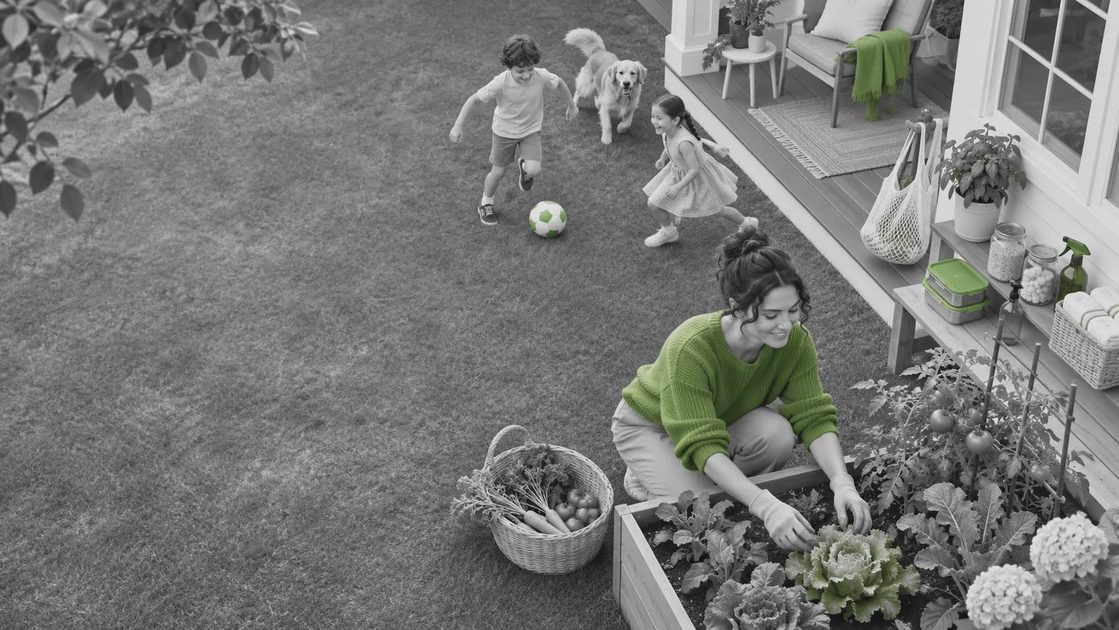
For some families, the appeal is practical. Cloth diapers may reduce disposable diaper purchases, though they add laundry and usually require an upfront investment. Secondhand clothes can save money and keep usable items out of the trash. A walk outside may give a restless toddler a change of scenery without requiring a planned activity.
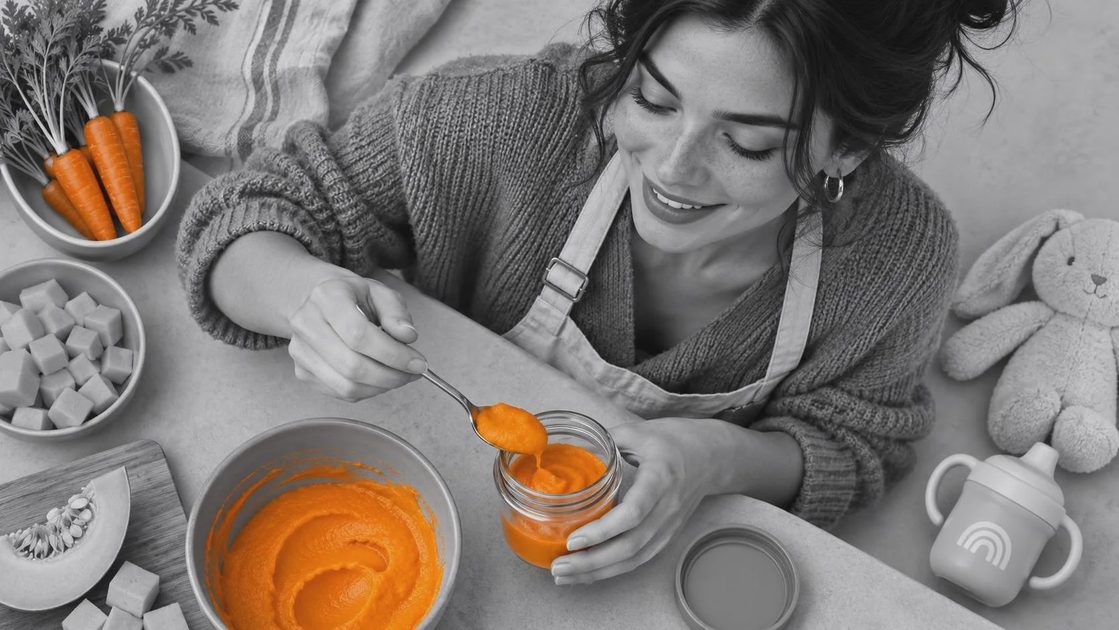
Food is another common piece. A crunchy mom might prefer cooking with basic ingredients or choosing organic produce when the budget allows. But frozen vegetables, canned beans, and store-bought baby food can be useful, nourishing options too. Wash produce under running water, and prepare foods in forms appropriate for your child’s age and development.
Feeding choices also get pulled into these conversations. Breastfeeding, pumping, and formula feeding all come with different demands, and a label cannot tell you what will work for your body or family. If you use formula, prepare it according to the package instructions and your child’s health care professional’s guidance. Homemade infant formula is not a safe substitute.
The part that matters most is whether a choice works for the people living with it. If washing diapers is manageable but making every snack is not, let the snack be easy. You do not have to turn one preference into a full-time job.
Crunchy mom vs. scrunchy and silky
You may see these terms used together on social media. They are loose descriptions, not medical categories or fixed parenting styles.
A crunchy mom generally leans toward natural-minded choices. A “silky” mom is often described as more comfortable with conventional products and medical approaches, such as disposable diapers or formula. A “scrunchy” mom usually means someone who mixes the two: perhaps cloth diapers during the day, disposables overnight, and a mix of homemade and packaged food.
These labels can be a quick way to find people with similar interests. They can also flatten complicated decisions. A family may use disposables because of child care rules, formula because breastfeeding was not possible, or secondhand clothes because the budget is tight. None of those choices tells you how thoughtful or loving a parent is.
If a label makes it easier to find useful ideas, keep it. If it makes you feel as though you have to defend every grocery item, you are allowed to leave it behind.
Natural does not automatically mean safer
This distinction matters more than any label. “Natural” is not a guarantee that a product is safe, gentle, or effective, especially for babies. Essential oils, herbal remedies, and homemade skin preparations can irritate skin or cause harm depending on the ingredient, concentration, and exposure. Ask your child’s clinician before using remedies or supplements for a baby.
The same goes for health decisions. A crunchy mom can value time outdoors and reusable products while following recommended vaccinations and seeking medical care when a child is sick. If someone claims that a supplement, special diet, or detox can replace a prescribed treatment, bring that claim to your child’s clinician before acting on it.
Some safety practices are worth keeping separate from parenting trends. For sleep, place a baby on their back on a firm, flat sleep surface with a fitted sheet and no loose blankets, pillows, or soft toys. If you buy baby gear secondhand, check for recalls, missing parts, and the manufacturer’s instructions before using it. For car seats, also check the expiration date and avoid one with an unknown crash history.
You do not need to investigate every household object at midnight. Start with the decisions that directly affect sleep, feeding, transportation, and medical care; ask a qualified professional when you are unsure.
How to try a lower-waste routine without adding pressure
Pick one small change that solves a real problem in your home. If the trash fills quickly, try reusable washcloths for some mealtime messes. Keep a small container for used cloths near the high chair and wash them with your regular laundry. If that container becomes one more thing you dread, paper towels are allowed.
For clothing, accept hand-me-downs in the size your child will need next and keep them in one labeled bin. Check each piece for loose buttons, damaged fasteners, or long cords before using it. There is no prize for storing six future sizes when you do not have the space.
For meals, choose one convenient staple rather than attempting a complete pantry overhaul. A bag of frozen vegetables or a batch of cooked rice can make dinner easier without demanding a separate recipe for everyone. Follow safe storage guidance and adjust textures for younger children.
A crunchy mom is still a mom with limited hours, a budget, and a child who may reject dinner on sight. Start with the part that makes tonight easier. You do not need a perfect system. You need one that works at 3 a.m.



No notes yet — write the first one.