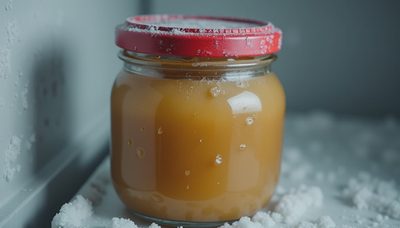
If you have ever found a labeled container behind the frozen waffles and wondered, how long do freezer meals last, you are in good company. Freezer cooking is supposed to make family life easier, not create another household mystery. The simple answer is that properly frozen food stays safe indefinitely at 0°F, but quality is usually best within two to six months, depending on the meal, packaging, and how often the freezer door opens.
That distinction matters. A meal can remain safe while its texture, flavor, or moisture slowly declines. A freezer-burned casserole is not automatically dangerous, but it may be dry and disappointing. For real-life family meals, the goal is not to preserve every dish forever. It is to create a dependable rotation you can actually use.
How long do freezer meals last in practical terms?
For the best balance of safety and quality, use most homemade freezer meals within three months. Soups, stews, chili, shredded meat, casseroles, and cooked beans often hold up well for two to three months. Some dishes, such as broth-based soups or tightly wrapped lasagna, can still taste good closer to four or six months.
Meals with cooked pasta, rice, potatoes, cream sauces, or fresh vegetables can change more noticeably over time. Pasta may become soft, potatoes can turn grainy, and dairy-based sauces sometimes separate after thawing. These foods are still not automatically spoiled, but their quality is less predictable.
Commercial frozen meals include a best-by date that helps with quality, while homemade meals need your own system. Write the meal name and freezing date on masking tape or a freezer label. “Chicken casserole, March 8” is far more useful than “dinner,” especially when you are holding a tired baby and trying to feed a preschooler at the same time.
What affects freezer meal quality?
Temperature is the first factor. A freezer should stay at 0°F or below. Food stored in a consistently cold chest freezer often keeps its quality longer than food in a refrigerator freezer that is opened repeatedly. Every long door opening lets warm air in, and frequent temperature changes can increase ice crystals and freezer burn.
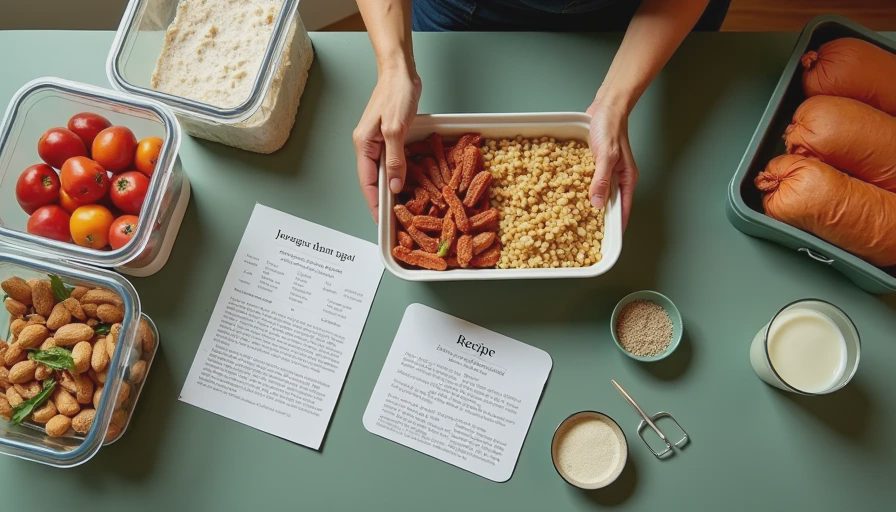
Packaging matters just as much. Air is the enemy of frozen food, so press excess air from freezer bags before sealing them. For casseroles, use a freezer-safe container with a snug lid, or cover the food tightly with plastic wrap and then foil. Leave enough space for liquids to expand as they freeze, but not so much empty space that a large pocket of air sits above the meal.
Freeze meals in portions your family will actually eat. A giant container may seem efficient, but thawing a three-quart block is harder than thawing two smaller portions. Individual servings also help when one parent is eating at a different time or a child refuses the meal you carefully prepared.
Let hot food cool briefly before freezing, but do not leave it on the counter for hours. Divide large amounts into shallow containers so they cool faster, then refrigerate or freeze within two hours. If the room is very warm, the safe window is shorter.
How long do freezer meals last before you should toss them?
When deciding how long do freezer meals last, use both time and condition. Food that has stayed frozen continuously at 0°F is generally safe indefinitely, but toss it if it was fully thawed and sat above 40°F for more than two hours, or for more than one hour in very hot conditions. If it still contains ice crystals or feels refrigerator-cold, it can usually be cooked or refrozen, although the texture may suffer.
Look for practical warning signs after thawing. A sour smell, slimy surface, unusual bubbling, mold, or a package that is swollen without an obvious reason means the food should go in the trash. Do not taste questionable food to test it. A freezer meal that has severe freezer burn may be safe but unpleasant; trim dry sections if the rest looks and smells normal, or let it go if the meal is no longer worth eating.
Never rely on the date alone. A meal frozen yesterday can be unsafe if it cooled slowly or was left out too long before freezing. A properly frozen meal from several months ago may be safe but less delicious. Your notes about preparation and storage are more helpful than guesswork.
Thawing and reheating freezer meals safely
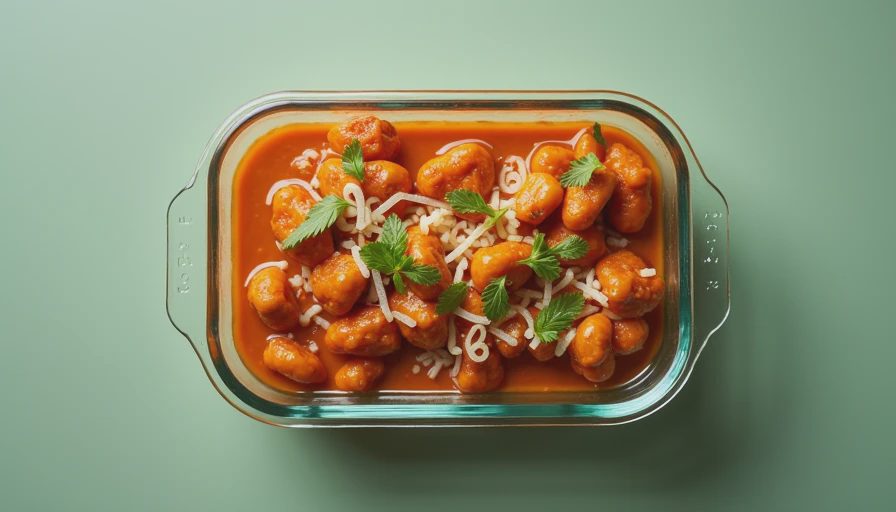
The safest thawing method is in the refrigerator. Move tomorrow night’s dinner from the freezer to the fridge the night before, placing it on a plate or in a container in case the package leaks. Small portions may thaw overnight; a deep casserole may need a full day. Once thawed in the refrigerator, leftovers are generally best used within three to four days.
For a faster option, thaw food in cold water or use the microwave, then cook it immediately. Do not thaw meat, casseroles, or soup on the kitchen counter. The outside can reach an unsafe temperature while the center remains frozen.
Reheat leftovers until they reach 165°F throughout. A food thermometer is especially useful for thick casseroles, stuffed shells, and meals heated in the microwave. Stir soups and sauces halfway through, rotate the container if possible, and let the food stand briefly so heat can spread. If the edges are boiling while the center is cold, continue heating in short intervals.
For baby and toddler meals, cool the serving before offering it and stir carefully to eliminate hot spots. Freeze small portions in silicone trays or shallow containers, then transfer them to labeled bags. This makes it easier to thaw only what you need instead of reheating and saving the same portion repeatedly.
A freezer meal system that works at 3 a.m.
You do not need a perfect inventory. Start with one freezer basket or shelf for homemade meals. Keep older items toward the front and put newer meals behind them. This simple first-in, first-out habit prevents the forgotten-container problem.
Choose a labeling routine that takes less than a minute. Record the name, date, and any important instruction, such as “thaw overnight” or “add cheese after baking.” Freeze meals flat in bags when possible; once solid, they stack neatly and thaw faster than bulky packages.
A useful weekly rhythm is to check the freezer before making a grocery list. Pick one older meal for the next few days, add a fresh side such as fruit or frozen vegetables, and write down anything that needs replacing. You can also keep two emergency dinners, such as chili and shredded chicken, for nights when the baby will not settle or the day simply goes sideways.
The short answer for your kitchen tonight
So, how long do freezer meals last? Plan to use most homemade meals within two to three months for the best quality, while properly frozen food can remain safe longer if it stayed continuously at 0°F or below. Label dates, protect food from air, thaw in the refrigerator when you can, and trust clear signs of spoilage rather than forcing yourself to rescue an old meal.
Start with the part that makes tonight easier: check one container, read the label, and decide whether it is dinner, tomorrow’s dinner, or freezer clutter. You do not need a perfect system. You need one that works at 3 a.m.

No notes yet — write the first one.