
You made a big pot of applesauce, your toddler ate three bites, and now you are staring at the leftovers while holding a baby. Can you freeze homemade applesauce? Yes. Freezing is one of the easiest ways to save it, reduce food waste, and give yourself a quick side dish for another day. The texture can change slightly after thawing, but it usually remains delicious and perfectly useful for breakfasts, snacks, and baking.
The main trick is cooling the applesauce safely, choosing a freezer-friendly container, and leaving room for expansion. You do not need a special appliance or a picture-perfect freezer system. A few labeled portions can make a surprisingly helpful difference on a busy afternoon.
The easiest way to freeze homemade applesauce
Start by letting the cooked applesauce cool somewhat before packing it. Do not leave a large pot sitting at room temperature for hours. Transfer it into shallow containers or smaller bowls so heat escapes more quickly, then refrigerate it if needed. Once it is cool, portion it for the way your family will actually use it.
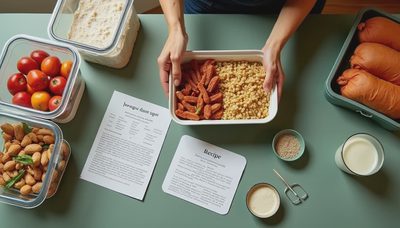
For a baby or young toddler, two- to four-ounce portions are practical. Silicone freezer trays work well for small servings, while half-pint or pint containers make more sense for family breakfasts. Freezer bags can save space if you lay them flat, but place each bag inside a second bag if leaks would create a kitchen disaster.
Leave about half an inch of headspace in rigid containers because applesauce expands as it freezes. Press excess air out of freezer bags, seal them firmly, and write the date and amount on each package. A plain marker label is enough. You do not need a color-coded inventory to be successful.
Which containers work best?
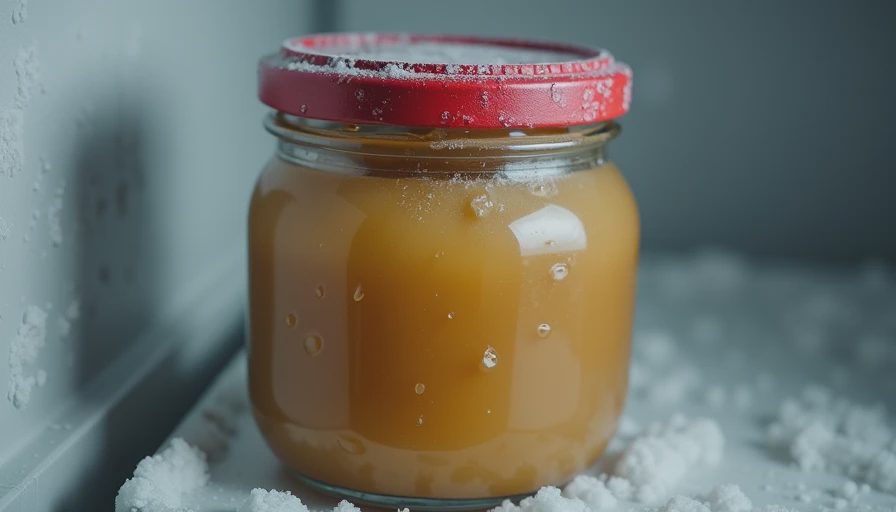
The best container depends on whether you want convenience, stackability, or small servings. Wide-mouth glass jars can work when they are specifically freezer-safe and you leave generous room at the top. Avoid filling ordinary glass jars to the rim, since expansion can crack the glass. Plastic freezer containers are less fragile and often easier for everyday family use.
Reusable silicone pouches are handy for snacks, but inspect the seals before freezing a full batch. Ice cube trays are useful for baby portions, oatmeal add-ins, or mixing with another puree. Once the cubes are solid, move them into a labeled freezer bag so the tray is available again.
If you are wondering can you freeze homemade applesauce in a plastic sandwich bag, the answer is technically yes, but it is not my first choice. Thin bags can split, pick up freezer odors, or develop tiny leaks. A heavier freezer bag laid flat is much more reliable and thaws faster.
For the least stressful setup, freeze one larger container for family meals and several small portions for quick snacks. That gives you flexibility without turning applesauce into a weekend organizing project.
How long does frozen applesauce last?
For the best flavor and texture, use frozen homemade applesauce within about three months. It can remain safe longer when continuously frozen at 0 degrees Fahrenheit, but quality gradually declines. Freezer burn does not automatically make food unsafe; it creates dry, pale areas and a stale taste. An airtight package helps prevent it.
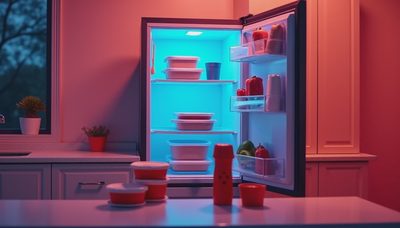
Label every container with the freezing date. This matters more than it sounds, especially when your freezer contains mashed bananas, soup cubes, waffles, and three mysterious bags of something orange. Use older portions first and keep newer batches toward the back.
If the applesauce smells sour, fermented, or unusually unpleasant after thawing, throw it away. Also discard it if you see mold or if it was left warm for an extended period before freezing. When in doubt, do not taste-test questionable food, particularly when you plan to serve it to a baby.
Can you freeze homemade applesauce made with cinnamon or other spices? Yes. Cinnamon, nutmeg, and mild warm spices generally freeze well. If you are making a batch for a baby, keep added sugar low or skip it entirely, and remember that fruit is naturally sweet.
How to thaw it without making a mess
The safest simple method is to move a portion from the freezer to the refrigerator the night before. Small servings may thaw in several hours, while a larger container can need overnight time. If you forgot to plan ahead, place the sealed container in the refrigerator while you prepare breakfast, then finish warming it gently in a saucepan or microwave-safe bowl.
Stir after thawing because liquid can separate from the fruit. That watery layer is usually harmless. Mix it back in, or pour off a little if the texture seems too loose. Heat only the amount you plan to serve, especially for a child. Food that has been warmed and served should not be repeatedly cooled and reheated.
Never thaw applesauce on the counter for the entire day. A refrigerator thaw gives you better control and keeps the process safer. If you use a microwave, stir thoroughly and check for hot spots before offering it to a child. Let it cool to a comfortable temperature first.
The finished texture may be softer, grainier, or slightly more watery than fresh applesauce. That does not mean the batch failed. A quick stir usually improves it, and many children will not notice any difference at all.
Ways to use thawed applesauce
A bowl of thawed applesauce is an easy snack, but it can do more work in your kitchen. Spoon it over oatmeal, plain yogurt, pancakes, or cottage cheese. Stir it into muffins, quick bread, or baked oatmeal for moisture and gentle sweetness. You can also serve it alongside pork, roasted vegetables, or a simple grilled cheese lunch.
For babies who are ready for appropriate textures, use a small portion with oatmeal or offer it according to the feeding approach your family follows. Applesauce should not replace a varied diet, but it can be one manageable part of a meal. Always use age-appropriate preparation and follow your pediatrician's guidance for feeding concerns.
Can you freeze homemade applesauce for baking? Absolutely. Freeze it in one-cup portions, since many muffin and bread recipes use roughly that amount. Thaw it in the refrigerator, stir it well, and measure after thawing. This small step keeps your recipe closer to the intended moisture balance.
A simple freezer routine for busy parents
When the batch is cool, portion it immediately instead of putting the whole pot in the refrigerator with vague plans. Label each container, freeze the portions flat or upright, and set a reminder for two or three months from now. On a future chaotic morning, move one serving to the refrigerator while you make coffee.
Can you freeze homemade applesauce without making extra work? Yes, if you freeze it in portions your family will genuinely use. Start with the part that makes tonight easier: save the food, label it plainly, and stop there. You do not need a perfect system. You need one that works at 3 a.m., when a hungry child wants a familiar snack and you are too tired to cook another thing.



No notes yet — write the first one.