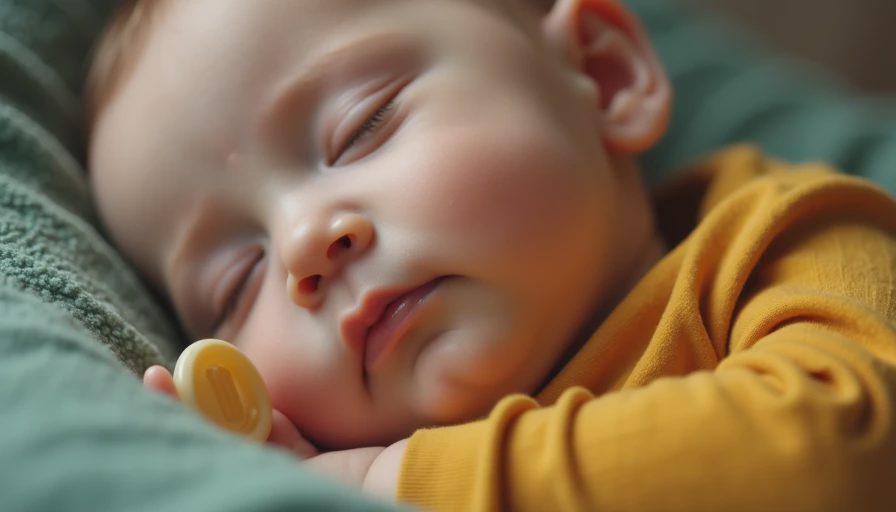
If you are wondering, do infants sleep more when teething, you are probably watching your baby sleep longer than usual and trying to decide whether it is normal or a sign of illness. Teething can make some babies restless, clingy, and difficult to settle. Others seem worn out and take an extra nap after a rough night. Both patterns can happen, but increased sleep is not automatically caused by a new tooth.
The useful question is not just how many hours your baby slept. Look at the whole picture: Can your infant wake for feeds? Are they having their usual wet diapers? Do they have periods of alertness, eye contact, and interest in you? A sleepy baby who perks up after rest is different from a baby who is unusually difficult to wake.
Why Teething Can Change Sleep
Teething is uncomfortable because a tooth is moving through the gum tissue. Babies may drool more, chew on their hands, rub their cheeks, or become fussy during feeding and bedtime. Discomfort often causes broken sleep rather than extra sleep. After a night of frequent waking, a baby might nap longer the next day simply to catch up.
That is one reason parents ask, do infants sleep more when teething. The answer is sometimes, indirectly. The tooth itself does not usually act like a sedative. Instead, poor nighttime sleep, crying, extra stimulation, and the effort of managing discomfort can leave a baby tired. A longer nap can be a normal recovery response.
Age also matters. Many babies begin teething around six months, although there is a wide normal range. This is often the same period when naps, solids, crawling, separation anxiety, and changing sleep needs are all arriving at once. A sleep shift may overlap with teething without being caused entirely by it.

Signs That Sleepiness May Be Normal
When asking do infants sleep more when teething, check for reassuring signs during waking periods. Your baby should generally be able to rouse for a feed, respond to your voice, and show some normal movement. They might be a little grumpy, chew everything within reach, or want more cuddling, but they should not seem consistently limp or disconnected.
A normal tired day may look like an infant taking a longer morning nap, sleeping an extra thirty to ninety minutes, or going to bed earlier after a difficult night. Some babies also feed in shorter, more frequent sessions because sore gums make sucking uncomfortable. If milk intake and wet diapers remain close to normal, a temporary schedule change is usually manageable.
Keep the day simple. Offer naps based on sleepy cues instead of forcing the usual clock schedule. Feed in a quiet position, use a cool teether, and lower the household volume before sleep. You do not need a perfect system. You need one that works at 3 a.m.
What Can Actually Soothe a Teething Baby
Start with the part that makes tonight easier. A firm rubber teether chilled in the refrigerator can provide pressure and cool relief. Avoid freezing teethers because very hard, icy surfaces can injure delicate gums. A clean, damp washcloth chilled in the refrigerator can also give an older infant something safe to gum while supervised.
Gentle gum rubbing with a clean finger is another low-cost option. If drool is irritating the chin, pat the skin dry and apply a thin layer of a baby-safe barrier ointment. Keep small objects, hard foods, and pieces that can break off away from the crib. Never put a teething necklace, amber jewelry, or a loose teether in the sleep space.
If your baby seems genuinely uncomfortable, ask the pediatrician about an appropriate pain-relief option and dose based on current weight. Do not use numbing gels containing benzocaine for young children, and do not give aspirin. Medication should not be used simply to make a baby sleep longer.
When Extra Sleep Needs a Closer Look
Teething is often blamed for symptoms it does not explain well. A high fever, repeated vomiting, significant diarrhea, breathing trouble, or a widespread rash deserves attention rather than a quick teething explanation. Teething may cause mild fussiness and drooling, but it should not be used to dismiss a baby who seems sick.
Call your pediatrician promptly if your infant is hard to wake, refuses several feeds, has noticeably fewer wet diapers, has a dry mouth, cries without making tears, or seems unusually weak. Seek urgent care for breathing difficulty, a seizure, blue or gray coloring, severe dehydration, or a baby who cannot be awakened normally. Trust your knowledge of your child; you do not need to prove that something is wrong before asking for help.
If sleepiness lasts more than a day or two, keeps increasing, or comes with a temperature or behavior change, contact the pediatrician. The timing of a tooth may be coincidence. Babies can have an ear infection, viral illness, or another problem during the same week a tooth appears.
A Practical 3 A.M. Check
When you wake to find your infant unusually sleepy, run through a short check before spiraling. First, gently rouse them and see whether they respond to your voice or touch. Next, offer a normal feed without forcing it. Notice whether they swallow comfortably and whether their breathing looks easy. Finally, think about wet diapers, temperature, vomiting, stool changes, and behavior over the previous twelve hours.
Write down what you observe if you need to call. “Slept more” is useful, but “slept two extra hours, took a full bottle, had three wet diapers, and smiled after waking” gives a clinician a much clearer picture. If the baby is difficult to wake or cannot feed, skip the notebook and seek medical guidance.
Parents also need care in this moment. Put the phone on speaker, ask your partner or another trusted adult to sit with you, and avoid searching ten alarming symptom lists at once. A calm observation is more useful than a perfect diagnosis from a tired kitchen.
So, Do Infants Sleep More When Teething?
So, do infants sleep more when teething? Some do, usually because discomfort interrupted nighttime sleep or because the whole developmental stretch has made them tired. Others sleep less, wake often, or act completely normal. There is no single teething schedule that every baby follows.
Focus on wakefulness, feeding, hydration, breathing, and overall behavior rather than one longer nap. Use simple comfort measures, protect safe sleep, and call the pediatrician when the pattern feels unusual or includes illness signs. You are not overreacting by checking. You are doing the practical parent work of noticing what changed.
Start with one helpful step: wake your baby gently, offer comfort and a feed, and observe the next few hours. Tonight does not need to be pretty to work.




No notes yet — write the first one.